
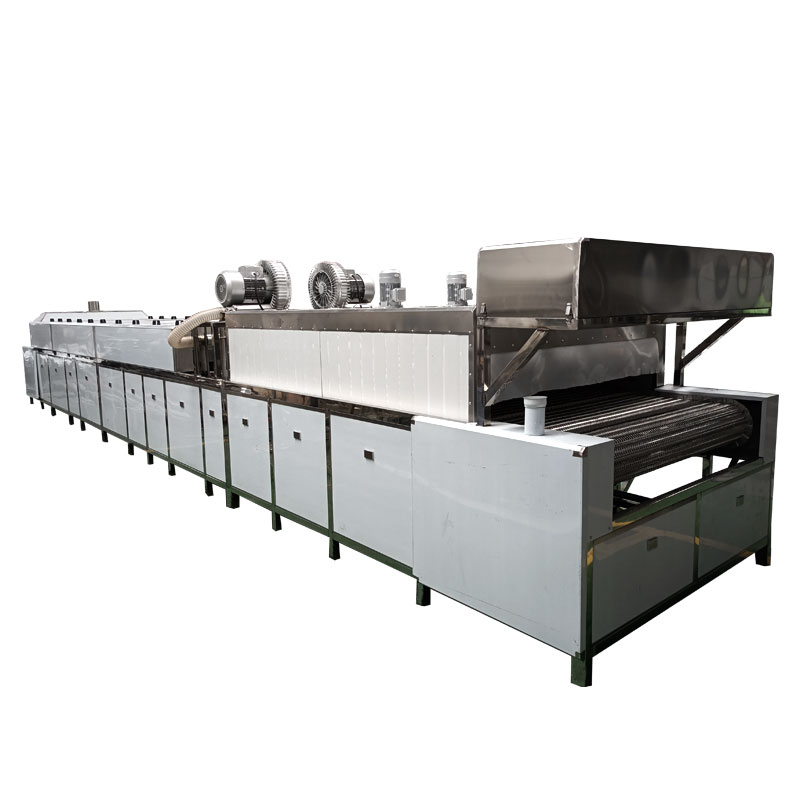
In an era where environmental sustainability and operational efficiency define industrial progress, the advancement of cleaning technologies has garnered significant attention. A groundbreaking development in this domain is the newly introduced Window Cleaning Water Purification System, designed to revolutionize the way buildings maintain their exteriors while minimizing environmental impact.
This cutting-edge purification system is engineered specifically to support window cleaning operations by employing advanced filtration and water treatment technologies. The system ensures the recycling and purification of cleaning water, reducing consumption and mitigating the release of contaminants. By doing so, it addresses a growing need in the cleaning industry for resource conservation and eco-friendly practices.
### Technological Excellence Backed by Jiaheda’s Expertise
The system comes from the expertise of Jiaheda, a high-tech enterprise renowned for its comprehensive approach to industrial cleaning solutions. Jiaheda integrates pre-sales overall program planning, independent research and development, manufacturing, equipment installation and commissioning, as well as system after-sales service. With a broad portfolio that includes ultrasonic cleaning equipment, spray cleaning lines, flat cleaning devices, and a variety of non-standard automated cleaning and drying systems, Jiaheda is well-positioned to lead innovation in the cleaning sector.
The Window Cleaning Water Purification System exemplifies Jiaheda’s commitment to merging advanced technology with practical, environmentally responsible applications. By leveraging their R&D capabilities and manufacturing expertise, Jiaheda has developed a system that not only purifies water effectively but also enhances the overall efficiency of window cleaning operations.
### System Features Fostering Sustainable and Efficient Cleaning
The Window Cleaning Water Purification System is designed with several core features that distinguish it from conventional cleaning water management approaches:
1. **Advanced Filtration and Purification:** The system uses multi-stage filtration, including fine mesh filters, activated carbon, and reverse osmosis membranes to remove particulates, organic compounds, and other impurities from wash water. This ensures that the recycled water meets stringent quality standards, safe for reuse in window cleaning tasks.
2. **Automated Operation and Monitoring:** Equipped with smart sensors and control systems, the system monitors water quality in real-time, automatically adjusting filtration parameters as needed. This reduces the need for manual intervention and ensures consistent performance.
3. **Water Conservation:** By recycling and purifying cleaning water on-site, the system dramatically reduces freshwater consumption. This is particularly beneficial for high-rise commercial buildings and large-scale facilities where traditional window cleaning operations could consume thousands of liters of water per session.
4. **Eco-Friendly Design:** Minimizing wastewater discharge aligns with rising environmental regulations and helps facility managers meet sustainability targets. The system’s energy-efficient pumps and filtration units further reduce its carbon footprint.
5. **Modular Construction:** The purification system can be customized and scaled to fit different cleaning operation sizes and building types, from mid-sized commercial complexes to expansive industrial sites.
### Benefits for Facility Management and Environmental Impact
The introduction of the Window Cleaning Water Purification System offers significant benefits to facility managers, cleaning service providers, and environmental stakeholders alike. For facility managers, the system reduces operational costs tied to water procurement and wastewater disposal. The ability to reuse filtered water lowers monthly utility bills and minimizes logistical challenges related to water supply, especially in water-scarce regions.
Cleaning companies benefit from enhanced cleaning consistency and reduced downtime, as the automated system ensures water quality remains optimal throughout the cleaning process. Moreover, promoting the use of such environmentally conscious technology enhances corporate social responsibility profiles, which are increasingly important in competitive tendering and public relations.
From an environmental perspective, the system contributes to reducing water wastage and preventing the release of chemical-laden cleaning water into municipal sewer systems or natural water bodies. As regulations around industrial water discharge tighten globally, adopting such purification technologies represents a proactive approach to compliance and environmental stewardship.
### Jiaheda’s Vision for the Future of Cleaning Technology
Jiaheda continues to invest heavily in research and development with a goal to push the boundaries of industrial cleaning automation and environmental compatibility. This latest water purification system reflects Jiaheda’s strategic vision to create fully integrated cleaning ecosystems that blend high performance with sustainability.
The company’s holistic approach — spanning pre-sales consultation, in-depth customization, expert manufacturing, and reliable after-sales support — ensures customers receive not just equipment, but tailored cleaning solutions that maximize return on investment. By innovating within ultrasonic, spray, flat cleaning systems, and now water purification, Jiaheda is setting new industry benchmarks.
### Conclusion
The innovative Window Cleaning Water Purification System marks a significant milestone in sustainable building maintenance technology. It signals the future of cleaning practices where environmental responsibility and operational efficiency go hand in hand. Backed by Jiaheda’s high-tech prowess and integrated service model, this system empowers facilities worldwide to adopt smarter, greener window cleaning methodologies.
As industries continue to prioritize sustainability amid rising environmental challenges, technologies such as this purification system will become essential tools in the quest for responsible resource management and ecological preservation. The window to a cleaner, greener future is now clearer than ever.